

By Mohammed Nasir Shuaibu (Bauchi State Correspondent)
Policy makers and relevant government agencies have been urged to develop inclusive policies that address the socio-economic challenges pushing many women into commercial sex work.
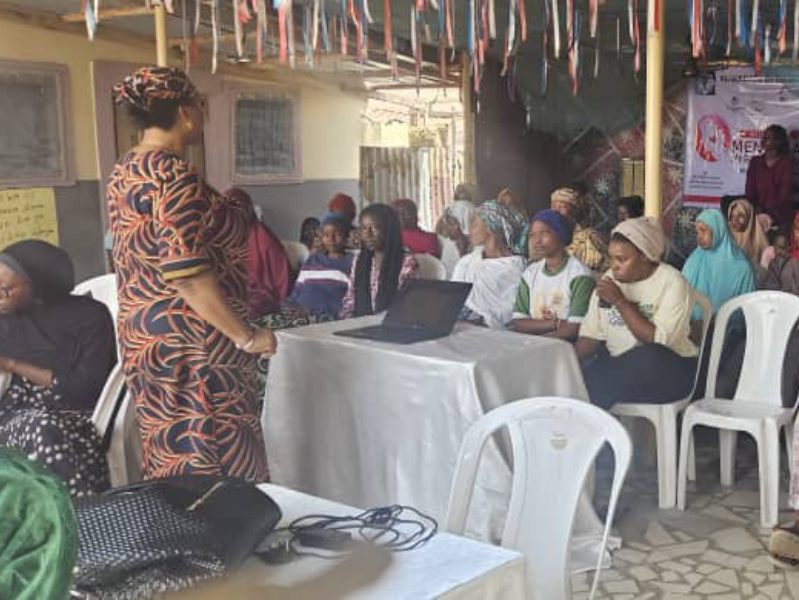
The call was made by the Executive Director of Al-Wadata Lifeline Initiative, Winnifred Robinson, during a one-day sensitisation programme for commercial sex workers in Bauchi held to mark the 2026 Menstrual Hygiene Day.
Robinson stressed the need for authorities to pay attention to the welfare and challenges faced by commercial sex workers, noting that they are often excluded from policies and interventions despite being part of society.
She said the programme was aimed at ensuring that no woman is left behind in efforts to promote menstrual health and hygiene.
According to her, commercial sex workers face the same menstrual and reproductive health challenges as other women, in addition to stigma, discrimination and economic hardship.
She called for greater support and inclusion of the group in health and social protection programmes.
As part of the event, participants received dignity packs containing sanitary pads, detergents, bathing soap and condoms, while health experts educated them on menstrual hygiene and infection prevention.
Also speaking, Bauchi State Coordinator of the National Human Rights Commission (NHRC), Yahchit Dala, described menstrual hygiene as a human rights issue linked to dignity, privacy and non-discrimination.
She urged government at all levels to improve access to menstrual products and hygiene facilities, especially for vulnerable women.
Participants commended the organisers for the initiative, saying the programme exposed them to important information on menstrual health and personal hygiene. NNL.