


LESSONS FROM THIS NOVEL 'NEVER SAW YOU COMING'
By Erin Hahn
This book, "Never Saw You Coming", delves into the complexities of family, faith, and first love. Here are 10 lessons you might glean from this captivating novel:
 Nigerian News Leader
First with details then facts
Nigerian News Leader
First with details then facts
By Erin Hahn
This book, "Never Saw You Coming", delves into the complexities of family, faith, and first love. Here are 10 lessons you might glean from this captivating novel:

By Rachel Cruze
"Love Your Life, Not Theirs: 7 Money Habits for Living the Life You Want" is a book written by Rachel Cruze, which focuses on personal finance and cultivating healthy money habits to achieve financial freedom and happiness.

By Alex Becker
This book delves into the mental frameworks and habits of successful individuals, offering key lessons for building wealth and achieving financial freedom. Here are 10 core takeaways:
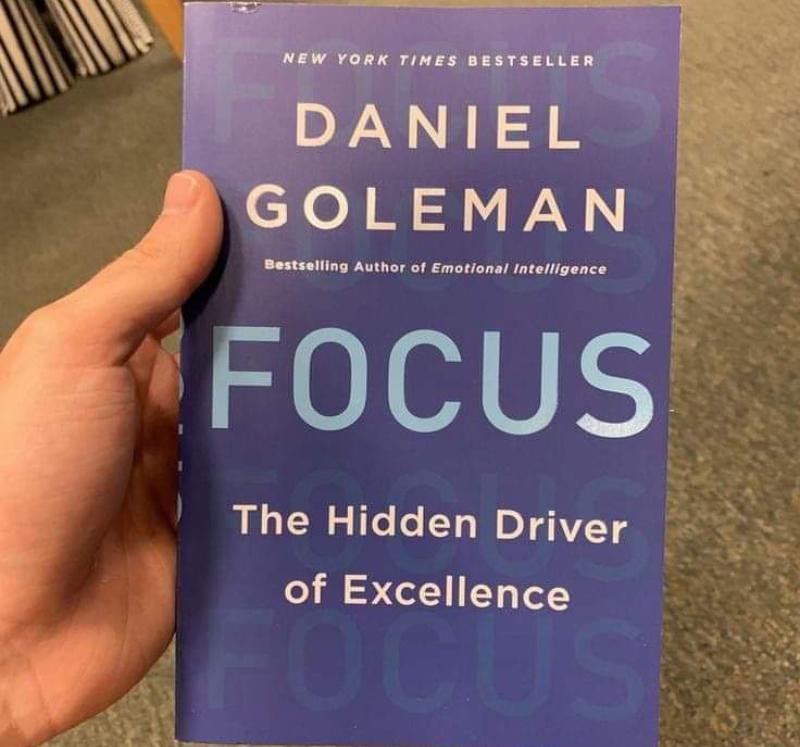
By Daniel Goleman
Focus is a Muscle: Just like any physical muscle, your ability to focus can be trained and strengthened with practice. Mindfulness and attention training techniques play a key role in improving your focus.
Inner, Other, and Outer Focus: Goleman outlines three types of focus: inner (attention to your mind and emotions), outer (attention to the external world), and other (attention to understanding and connecting with others). Mastering all three is crucial for peak performance.
Mind Wandering is Natural: Don't beat yourself up about a wandering mind. It's a natural human trait. Instead, learn to gently redirect your attention back to the present moment when you catch yourself drifting.
Flow States Unlock Peak Performance: When your inner and outer focus coalesce in a state of intense absorption and enjoyment, you enter a "flow state," characterized by peak performance and productivity.
Mindfulness Enhances Focus: Mindfulness practices like meditation cultivate awareness of your thoughts and emotions, enabling you to better manage distractions and maintain focus on the present moment.
Focus Follows Emotion: Your emotions greatly influence where you direct your attention. Cultivating positive emotions fosters better focus and performance.
Technology Disrupts Focus: Be mindful of technology's impact on your attention span. Implement strategies like digital detox breaks and limiting notifications to minimize distractions.
Sleep Fuels Focus: Adequate sleep is vital for good cognitive function and focus. Prioritize sleep hygiene and ensure you're getting enough restful sleep to support your focus throughout the day.
Stress Impairs Focus: Chronic stress can significantly erode your ability to focus. Manage stress through healthy coping mechanisms like exercise, relaxation techniques, and seeking social support.
Focus Starts with Purpose: A strong sense of purpose and meaning in your life can provide the motivation and drive needed to maintain focus on your goals and aspirations.
Remember, "Focus" is not simply about silencing your mind or eliminating distractions. It's about cultivating a mindful awareness of your inner and outer worlds, harnessing the power of emotions, and creating a life filled with purpose and intention. By applying these lessons and understanding the intricate relationship between focus and various aspects of your life, you can unlock your full potential and achieve true excellence. NNL.

By Patrick Bet-David & Greg Dinkin
Here are top 10 lessons on how to "Choose Your Enemies Wisely: Business Planning for the Audacious Few" by Patrick Bet-David & Greg Dinkin:

By Toshikazu Kawaguchi
Cherish Every Moment: The novel emphasizes the fleeting nature of time and the importance of cherishing each moment. The time travel cafe serves as a reminder that opportunities can be missed, and past mistakes may not be easily rectified.
Communicate Openly and Honestly: The story highlights the importance of open and honest communication in relationships. Many of the characters regret not expressing their true feelings or resolving past conflicts, leading to missed opportunities and lingering heartache.
Forgive Yourself and Others: The novel underscores the importance of forgiveness, both for oneself and others. Holding onto grudges and regrets can prevent individuals from moving forward and experiencing true happiness.
Embracing Change and Uncertainty: The time travel cafe represents the inevitability of change and the unpredictable nature of life. The characters learn to embrace the unknown and adapt to unforeseen circumstances, finding new opportunities and growth amidst the uncertainty.
Appreciating the Present: The novel encourages readers to focus on the present moment and appreciate the beauty and simplicity of everyday life. By cherishing simple joys and ordinary interactions, individuals can find greater fulfillment and contentment.
Understanding the Limits of Time Travel: While the cafe offers a unique opportunity to revisit the past, it also highlights the limitations of time travel. Changing the past is not possible, and individuals must learn to accept the consequences of their actions and find peace with their present circumstances.
The Power of Connection and Belonging: The cafe serves as a haven for characters seeking connection and belonging. Through shared experiences and heartfelt conversations, individuals find solace and support, reminding us of the importance of meaningful relationships.
Living Life with Intention: By contemplating the passage of time and the limitations of our existence, the novel encourages readers to live life with intention and purpose. By pursuing our dreams and making the most of each moment, we can create a life filled with meaning and fulfillment.
Bonus Lesson: The novel encourages readers to face their fears and regrets. By confronting the past, individuals can gain closure, heal from past wounds, and move forward with greater courage and resilience. NNL.

By Tripp Lanier
The 7 powerful lessons from the book "This Book Will Make You Dangerous"

By Felix Dennis
"How to Get Rich" by Felix Dennis is a book that provides valuable insights and lessons on achieving financial success.

By Vlad Beliavsky
The book, "The Pyramid Mind" by Vlad Beliavsky is a book that explores the power of the mind and provides insights on how to unlock its potential.
Here are 8 key lessons from the book:
Harness the power of visualization: The book emphasizes the importance of visualizing your goals and desires. By creating a clear mental image of what you want to achieve, you can align your thoughts and actions towards making it a reality.
Cultivate a positive mindset: Beliavsky emphasizes the significance of maintaining a positive mindset. Negative thoughts and self-doubt can hinder your progress, so it's important to focus on positive affirmations and beliefs to overcome obstacles and achieve success.
Practice mindfulness and self-awareness: The book encourages readers to cultivate mindfulness and self-awareness. By being present in the moment and understanding your thoughts and emotions, you can better manage stress, make conscious choices, and improve your overall well-being.
Embrace the power of intention: Beliavsky highlights the power of setting clear intentions. By defining what you want to achieve and aligning your actions with your intentions, you can create a strong sense of purpose and direction in your life.
Develop a growth mindset: The book emphasizes the importance of adopting a growth mindset, which involves believing in your ability to learn and grow. By embracing challenges, persisting through setbacks, and seeking opportunities for growth, you can unlock your full potential.
Utilize the power of affirmations: Beliavsky suggests using positive affirmations to reprogram your subconscious mind. By repeating affirmations that align with your goals and aspirations, you can create a positive internal dialogue that supports your success.
Embrace the concept of interconnectedness: The book explores the idea that everything in the universe is interconnected. Beliavsky encourages readers to recognize the interconnectedness of all things and to cultivate a sense of unity and compassion towards others.
Take inspired action: The book emphasizes the importance of taking action towards your goals. Beliavsky suggests that by combining visualization, intention, and a positive mindset with inspired action, you can manifest your desires and create the life you envision. NNL.

By Larry Smith
Here are valuable lessons on 'How to Have a Great Career: Find Your Passion, Achieve Your Goals, Love What You Do by Larry Smith.

By Keith Ferrazzi
Here are ten lessons from the book, "Never Eat Alone, Expanded and Updated: And Other Secrets to Success, One Relationship at a Time" by Keith Ferrazzi
Relationships are the key to success: Ferrazzi argues that strong relationships are essential for success in all aspects of life, not just business. Building genuine connections with others can open doors to opportunities, provide support and mentorship, and lead to personal and professional growth.
Develop your networking skills: The book offers practical tips for building and nurturing relationships, including attending events, joining clubs, and actively engaging with others. It emphasizes the importance of being genuine, authentic, and building relationships based on mutual respect and interests.
Give more than you receive: The book encourages a "givers gain" mentality, where you focus on helping others and providing value without expecting anything in return. This selfless approach builds trust, strengthens relationships, and ultimately leads to greater personal and professional success.
Become a "king of content": In today's digital age, Ferrazzi emphasizes the importance of using social media and online platforms to build your brand and connect with others. Share valuable content, engage in meaningful conversations, and create a positive online presence that attracts opportunities and strengthens your network.
Never eat alone: The book's title emphasizes the importance of eating meals with colleagues, clients, and potential connections. This provides an informal setting to build rapport, have meaningful conversations, and strengthen relationships.
Stay in touch: Building strong relationships requires consistent effort. The book recommends staying in touch with your network through regular communication, sending personalized messages, and offering support when needed.
Be a good listener: One of the most important aspects of building strong relationships is being a good listener. Actively listen to others, show genuine interest in their lives and experiences, and create a space for open and honest communication.
Build strong relationships with your family and friends: While focusing on professional relationships is important, Ferrazzi stresses the importance of nurturing relationships with family and friends. These relationships provide emotional support, offer a sense of belonging, and contribute to overall well-being.
Network with diverse individuals: Building relationships with people from different backgrounds and industries broadens your perspective, exposes you to new ideas, and opens doors to unexpected opportunities.
Invest in your relationships: Building and maintaining strong relationships requires time, effort, and commitment. Ferrazzi encourages investing in your relationships by providing support, offering help, and celebrating others' successes. NNL.

By Mark McCormack
The book, "What They Don't Teach You at Harvard Business School" which was published in 1984, offers practical advice on business and success, often focusing on insights and skills that go beyond formal education. Here is a detailed summary of the key concepts from "What They Don't Teach You at Harvard Business School" by Mark McCormack:
The Importance of People Skills: McCormack emphasizes the significance of people skills in business success. Building and maintaining relationships, effective communication, and understanding human behavior are essential aspects of achieving professional goals.
Street Smarts vs. Book Smarts: The book discusses the distinction between academic knowledge and practical, street-smart wisdom. McCormack argues that real-world success often requires a combination of both, with an emphasis on the ability to navigate and understand the dynamics of everyday business situations.
Negotiation Skills: McCormack provides insights into negotiation strategies and tactics. Understanding how to negotiate effectively, whether in deals, contracts, or interpersonal interactions, is a valuable skill in the business world.
Time Management: Time management is a crucial aspect of success, according to McCormack. The book offers practical advice on prioritizing tasks, making efficient use of time, and focusing on high-impact activities.
The Power of Perception: McCormack explores the role of perception in business. How others perceive you and your brand can significantly impact your opportunities and success. Managing and shaping perceptions is a key element of strategic career development.
Goal Setting and Planning: Setting clear goals and creating a strategic plan are discussed as essential components of achieving success. McCormack provides guidance on defining objectives, creating actionable plans, and staying focused on long-term aspirations.
Leadership and Decision-Making: Effective leadership and decision-making are critical in business. McCormack shares insights into making sound decisions, leading teams, and navigating challenges as a leader in the corporate world.
Salesmanship and Persuasion: The art of salesmanship and persuasion is explored in the book. McCormack discusses the importance of effective communication in selling ideas, products, or services, and how persuasion skills can contribute to career advancement.
Networking and Relationship Building: Building a strong network and cultivating relationships are highlighted as integral to success. McCormack provides practical advice on networking strategies, relationship-building techniques, and leveraging connections for professional growth.
Adaptability and Flexibility:
"What They Don't Teach You at Harvard Business School" is a pragmatic guide that draws on McCormack's own experiences as the founder of the sports marketing company IMG. The book provides actionable insights and lessons that professionals at any stage of their career can apply to achieve success in the business world. NNL.