


By Ikenga Ezenwegbu
Nnewi people often refer to their town or themselves as Anaedo thinking that the name is exclusive to them but they are wrong.
"Anaedo" or Edoland is used to describe three villages that have now grown into towns namely: Nnewi (the son of Ikenga), Oraifite and Ichi, all in Anambra state.
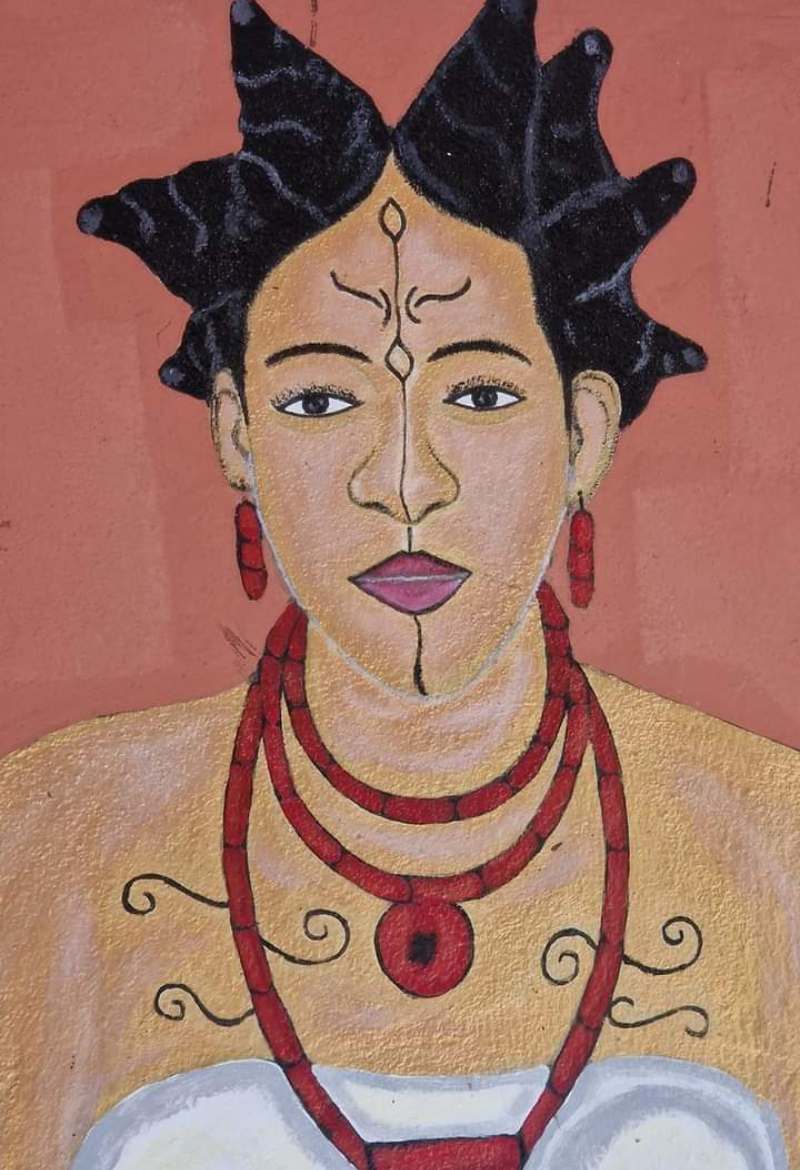
Edo was in reality the name of nwa ọkpụ Abatete Idemili (i.e Abatete woman) married by Oraeri prince named Agbaja who settled within the present Nnewi North and Ekwusigo LGAs. Edo begot Isu, Ikenga (the father of Nnewi or Ewimnga), Ifite (Oraifite meaning Ifite people) and Ichinwa (meaning the last born which is now shortened as Ichi). Please note the correlation of “Ichi” in Nnewichi. For emphasis, Edo was a native of Abatete in Idemili area in Anambra state.
Edo was so caring a mother that her children made her a god upon death. It was claimed that she appeared to them in a dream and demanded that shrines be built in her name. She also dictated how she would be worshipped. She also enunciated her commandments and abhorence known as "nsọ Edo".
That was how the children of Agbaja raised their mother Edo to a god leaving their father as a lowly mortal.
Agbaja had no shrine in his name except the Agbaja Customary Court located at the present day village of Umudim, Nnewi named after him by Major Moorehouse, a colonial masters in 1906.
This serves as a lesson to men who struggle for relevance with the mothers of their children. You can't win in the long term. Children tend to deify their mothers instead of their fathers.
From time immemorial, mothers have been supreme. That's the meaning of "Nneka". Also, Igbos know that ikwu ka na nne.
Agbaja's children, guided by divine instructions or out of love, made Edo, their mother, the supreme deity in their communities that have grown into towns.
Etomologically speaking, "Ana" in Anaedo means “the land” while "Edo" is the "name of the mother of Ikenga, Oraifite and Ichi". It is now better known as a deity than a woman that lived.
The main Edo shrine is in Nnewi and is located around the famous Nnewi Motor & Motorcycles Spareparts Market.
In fact, the market is sited on the Edo's virgin forest known as Agbọedo. “Agbọ” means "thick virgin forest" usually belonging to a deity.
It is noteworthy that upon death and becoming a god or deity Edo got married to another deity known as Ezemewi whose shrine is at Orie Agbọ in today’s Abụbọ Nnewichi. The path through which Edo and Ezemewi visited each other is preserved up till date and is known as Edo-Ezemewi Road on which most commercial banks in Nnewi are located.
I want to stress that it is true that marriage to a partner ends here on earth. This is validated by European saying that “till death do we part”. Edo as a god had to marry another deity hence the marriage to Ezemewi.
Anaedo means Edoland or that entire land area inhabited by the descendants or children of Edo found in today’s Nnewi, Oraifite and Ichi.
Please note that some oral history say that Ikenga had many children some of who are Isu and Nnewi and that Isu was the first son of Ikenga but was replaced by Nnewi at a time. The fact is that Nnewi has become a fusion of closely related settlers, uncles and distant relatives who try to claim anything when there is something to share or land to contend with.
For emphasis, Anaedo or Agbaja refers to Nnewi, Oraifite and Ichi as an entity. The original members of Anaedo Social Club were drawn from these three towns. It is so till date.
Even though Edo was deified or made a god upon death, every Nnewi, Oraifite and Ichi citizen belongs to Edo. Therefore, it’s a sheer ignorance for someone to deem Anaedo as idolatry.
It is rather a motherland.
This practice of answering mother's name is easily still found in some aboriginal Anaedo kindreds where many Ụmụnna or extended families are called by there mothers' names.
The ruling ụmụnna in Otolo and Nnewi is called Ụmụonyebuchi named after Onyebuchi, their mother. Same is true for popular Ụmụnwakanwa family named after Nwakanwa their mother. The two aforementioned women were two out of the many wives of Ezeoguine, the late Obi of Nnewi from whom Igwe Orizu III and this writer descended.
Notwithstanding their religious inclination, all descendants of Edo are called Ụmụ Anaedo because they share in the common heritage of Edo, their ancestors' caring mother.
This is our history and should be known and be told to our children.
...Ikenga Ezenwegbu can be reached through his e-mail:This email address is being protected from spambots. You need JavaScript enabled to view it. NNL.