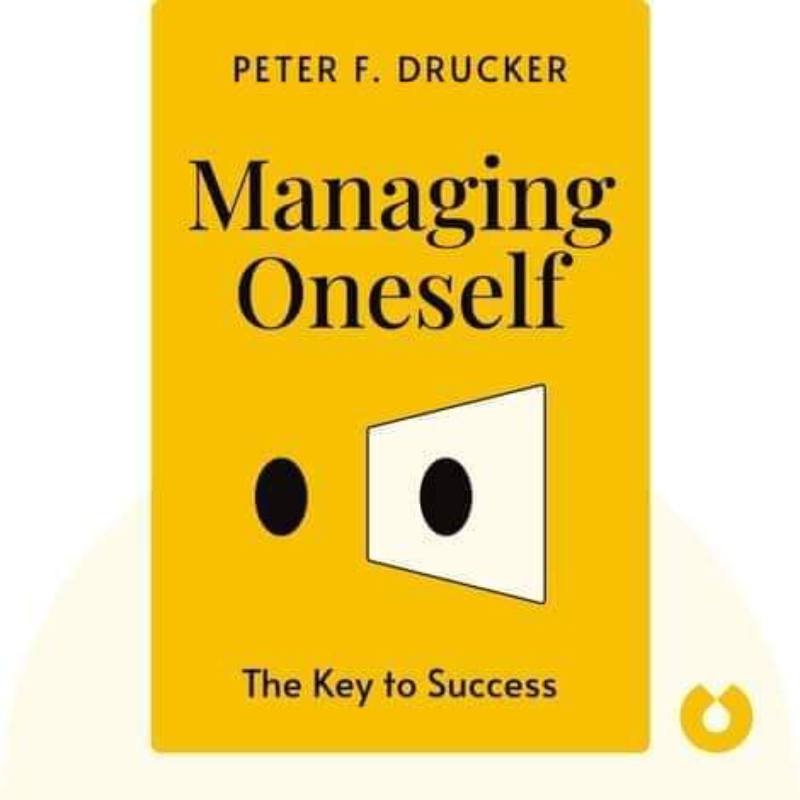
By Peter F. Drucker
1.Self-awareness: This is Fundamental Understanding of your strengths, weaknesses, values, and learning style is crucial for effective self-management.
Focus on Strengths: Instead of trying to fix weaknesses, invest time in cultivating and leveraging your strengths to excel in your chosen endeavors.
Learning Styles Matter: Recognize your preferred way of learning and adapt your environment to enhance your learning and performance.
Take Responsibility: Take full ownership of your career and personal development; don't rely solely on others or external circumstances to determine your path.
Manage Your Time wisely: Time is a precious resource; practice effective time management by setting clear objectives and prioritizing tasks accordingly.
6.Set and Review Goals: Establish clear, achievable goals for both the short and long term, and regularly evaluate your progress towards them.
Feedback is Essential: Seek feedback from others to gain insights into your performance and make necessary improvements.
Adaptability is Key: Embrace change and be willing to adapt to new circumstances and challenges in your career and life.
9.Build a Network: Develop a network of relationships with people who can support and provide valuable insights into your professional journey.
10.Position Yourself for the Future: Continuously anticipate and prepare for future opportunities and challenges by staying relevant and adaptable in a rapidly changing world.
These key learnings from "Managing Oneself" emphasize the importance of self-awareness, personal responsibility, and adaptability in achieving success and satisfaction in both your professional and personal life. NNL.